
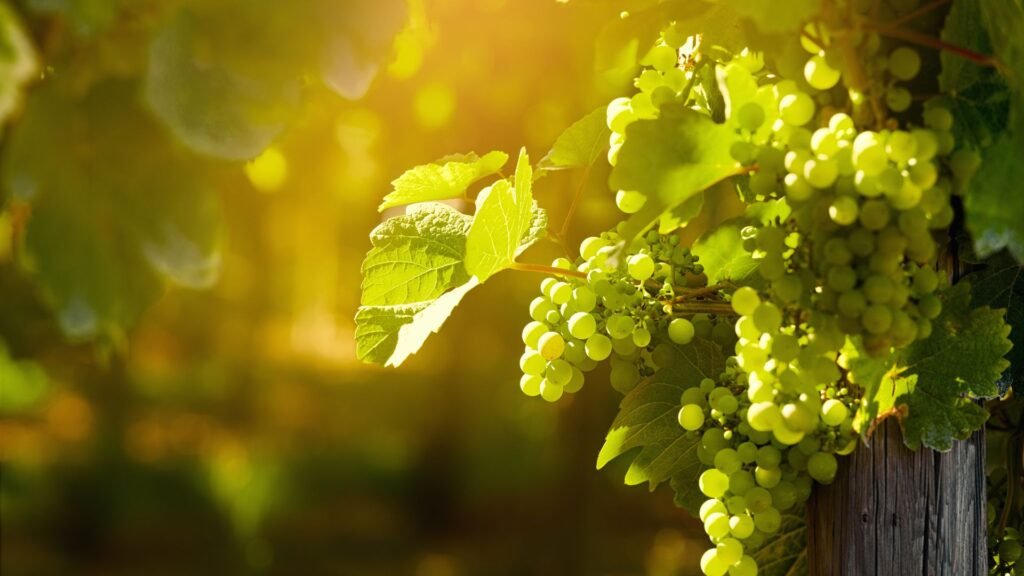
How Much Sun Do Grape Vines Need: Daily Requirements
Grape vine sunlight need is one of the biggest factors behind healthy, productive fruit. The Vineyard Patio in Barangay Laboy, Matnog, Sorsogon is a real example of that principle at work. Spread across an 800 sqm plot, this vineyard grows several varieties. Shine Muscat, Crimson, Yulian, Hope, Baikonur, and Radiant all depend on careful sun exposure to ripen properly. Grape growers everywhere, tending a backyard vine or a full commercial row, ask the same question. How much light does a vine need to thrive.
This guide breaks down daily sunlight requirements for grape vines. It explains how shade changes fruit quality. It also covers the shade management steps growers use through the season.
Grape Vine Sunlight Need: The Daily Minimum
Grapes are not shade plants. Before looking at specific numbers, it helps to know what counts as enough light. A grape vine spends most of its energy converting sunlight into sugar. Light exposure sets the pace for nearly everything that happens on the vine.
Grape Vine Sunlight Need: Counting the Hours
A grape vine needs a minimum of 7 to 8 hours of direct sunlight every day. Some growers get by on 6 hours, but that number sits at the low end. Vines stuck at 6 hours often produce smaller fruit clusters. The canopy stays denser, disease pressure climbs, and ripening drags on longer than it should.
Eight or more hours is where a vine really starts to perform. Sugars build up faster in the berries. Skins develop deeper, more even color. The fruit firms up and lands closer to the right sweetness and acid balance. Warm regions with long daylight hours, like Sorsogon, supply this kind of exposure naturally. That suits warm-climate varieties well.
Morning Sun Compared to Afternoon Sun
Not every hour of sunlight affects a vine the same way. Morning sun is milder. It dries off overnight moisture from the leaves quickly. That difference counts, since damp leaves invite fungal issues like powdery mildew.
Afternoon sun runs hotter and more intense. It speeds ripening, but it can also push a vine into heat stress. Some growers in warmer regions favor rows that face east. This pulls in strong morning light and eases the afternoon heat load. Row direction and vine spacing both shape how much sun each plant receives across a full day.
How Sunlight Shapes Grape Flavor and Quality
Sunlight does more than keep a vine alive. It directly builds the flavor, color, and structure of every berry. Growers who understand this connection make smarter calls on spacing, pruning, and canopy thickness.
Sugar Development and Ripening Speed
Photosynthesis turns sunlight into the sugars stored inside each grape berry. More light exposure means more sugar production. That holds true whether the fruit ends up eaten fresh, pressed into juice, or fermented into wine.
In varieties such as Shine Muscat and Crimson, higher sugar content produces that recognizable sweetness. Fruit grown under low light stays tart. It sometimes never ripens fully, even after extra weeks on the vine. According to Oregon State University Extension, canopies balanced for leaf density, light, and airflow produce healthier fruit. Overly dense or overly bare canopies both fall short.
Skin Color, Antioxidants, and Berry Firmness
Sunlight triggers anthocyanin production, the pigment group responsible for deep red and purple grape skins. Red varieties grown in shaded rows often come out dull or blotchy. That goes beyond looks. Anthocyanins also function as antioxidants, so poorly colored fruit tends to carry lower nutritional value.
Sun exposure also shapes berry firmness. Grapes that receive steady light develop thicker skins. Thicker skins resist cracking after rain and hold up longer after harvest. Berries grown in heavy shade often stay thin-skinned. They split easily, which makes them harder to transport and quicker to spoil.
Shade Management Practices That Support Grape Vine Sunlight Need
Grape vines need generous sun, but shade still plays a role in good vineyard practice. The goal is not to remove shade entirely. It is to control where shade falls, so light reaches the fruit zone at the right moments.
A few practices consistently protect grape vine sunlight need through the growing season:
- Canopy thinning. A thick leaf canopy blocks light from reaching the clusters. Removing excess leaves around the fruit zone improves light penetration and airflow.
- Row orientation. North to south rows let sunlight reach both sides of the canopy. East to west rows often leave one side shaded for much of the afternoon.
- Trellis height. Taller trellis systems spread the canopy more evenly. This improves light distribution across the whole plant.
- Spacing from other plants. Trees or tall structures nearby can throw shade over the vine. Careful site planning avoids this problem before it starts.
- Vine spacing. Rows planted too close together shade neighboring vines. Proper spacing lets each plant capture its full daily sun allowance.
Strong shade management also cuts down on chemical intervention. When light and airflow both stay consistent, fungal disease has far less chance to take hold.
Grape Vine Sunlight Need in Tropical Climates
Growing grapes in a tropical setting brings different conditions than temperate regions face. The sun runs strong year-round. The growing calendar does not follow four distinct seasons. Vineyards here depend on varieties selected for warm, humid growing conditions.
Grape Varieties Built for Full Tropical Sun
Not every grape variety handles constant heat and strong sun equally well. Tropical viticulture has settled on varieties that perform reliably under these conditions. Several of them grow at The Vineyard Patio:
- Yulian adapts well to warm climates and produces reliably under full sun.
- Hope handles heat and develops good berry color under strong light.
- Radiant thrives in high-light settings and builds solid sugar content.
- Baikonur produces large berries and performs consistently in tropical rows.
- Shine Muscat rewards consistent sun exposure with premium flavor and aroma.
- Crimson develops its signature red color best under direct, unbroken sunlight.
Growers select these varieties based on how well they fruit under local conditions. A grape bred for cooler European regions will struggle here. Careful vineyard management cannot fully make up for the wrong variety choice.
Meeting Grape Vine Sunlight Need Without Heat Damage
Strong tropical sun can sometimes tip into heat stress, especially during dry stretches. Leaves may scorch. Exposed fruit can sunburn during peak afternoon hours.
A few practices help growers manage that risk without cutting light exposure too far:
- Partial leaf cover near clusters. A few leaves left over the fruit zone shield berries from direct afternoon rays.
- Mulching at the base. A mulch layer keeps soil temperature down and holds moisture during hot, dry weeks.
- Early irrigation timing. Watering in the early morning, instead of midday, reduces stress during peak heat hours.
Tropical grape growers typically combine these steps with the sun exposure principles above. The aim stays the same. Meet grape vine sunlight need fully while keeping heat damage in check.
Seeing Grape Vine Sunlight Need in Action at The Vineyard Patio
Reading about grape vine sunlight need is useful. Walking through a working vineyard shows the principle in a completely different way. The Vineyard Patio in Barangay Laboy, Matnog, Sorsogon is the first grape-picking destination in the province. Its 800 sqm layout lets visitors walk the rows and see how the vines are trained.
The vineyard grows several varieties chosen for how they perform under local sun conditions. Guests see firsthand how row spacing and variety selection shape the fruit in each cluster. The grape-picking adventure runs as a hands-on activity. Entry is priced around ₱50 off-season, or ₱300 per kilo for pick-and-pay visits. Hours run from 11 AM to evening Monday through Saturday, and from 1 PM on Sundays. Earlier slots are available for guests who book ahead.
After picking, guests can relax at the open-air gazebo for a meal at the dine-in restaurant. Local seafood and grilled dishes pair well with fresh-picked grapes such as Shine Muscat and Baikonur. The setting also works well for small celebrations held among the vines.
Laboy sits about 10 minutes from Irosin and roughly 30 minutes from Bulan. Sta. Magdalena and Bulusan are about 45 minutes away, and Matnog Port sits roughly 30 minutes out. Other restaurants and event spaces in the area sit a similar drive away. Few of them offer a working vineyard that visitors can walk through and pick from directly.
Final Thoughts on Grape Vine Sunlight Need
Grape vine sunlight need comes down to one steady rule. More direct light produces better fruit. A minimum of 7 to 8 hours daily stands as the practical baseline for healthy, productive vines. Beyond that number, canopy management and variety selection decide how much light turns into quality fruit.
In tropical settings such as Sorsogon, grape vine sunlight need is met through long, strong daylight hours. The real challenge shifts toward managing heat and keeping airflow steady. Varieties such as Shine Muscat, Crimson, Yulian, and Radiant handle these conditions well. That is exactly why they keep producing season after season at The Vineyard Patio.