
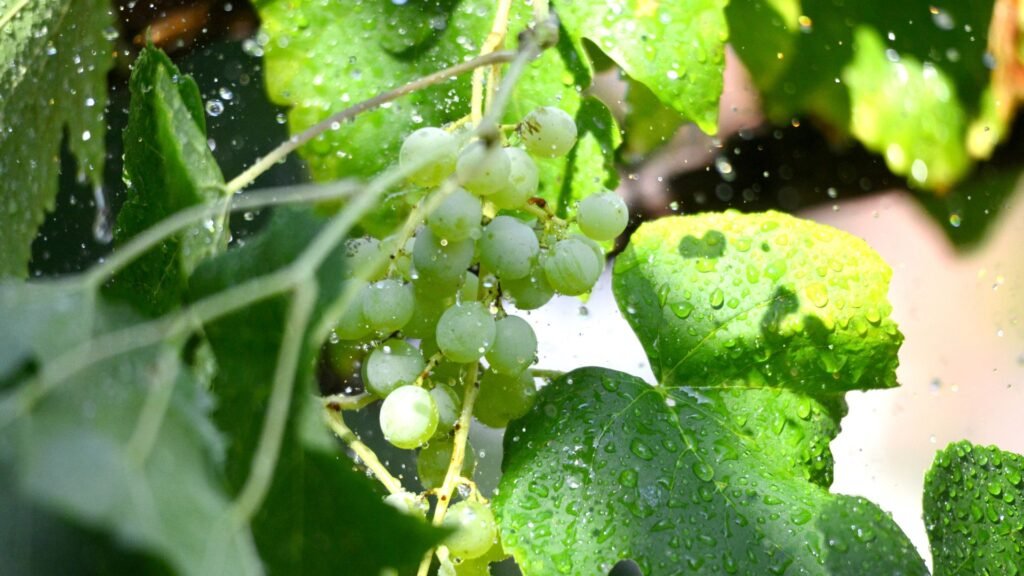
Grape Vine Watering Schedule: Weekly Guide
A solid grape vine watering schedule is one of the most important things you can get right as a grower. Too much water and the roots rot. Too little and the vines stress out, drop fruit, or produce grapes that taste flat. Getting that balance right takes some know-how, and that’s exactly what this guide walks you through.
At The Vineyard Patio in Barangay Laboy, Matnog, Sorsogon, water management is a real daily practice. The team grows several grape varieties across an 800 sqm vineyard, including Shine Muscat, Crimson, Yulian, Hope, Baikonur, and Radiant. Keeping each variety healthy means understanding how water moves through the soil and what each growth stage needs.
This guide covers watering depth, frequency, and how to keep your vines alive when dry spells hit. Whether you’re a backyard grower or just curious about how vineyards operate, this breaks it all down in plain terms.
How Grape Vines Use Water
Before setting up a grape vine watering schedule, it helps to know how vines actually absorb and use water. Grapevines are deep-rooted plants. Mature vines can send roots down six feet or more into the soil. That depth gives them access to moisture that surface-level plants never reach.
Young vines, however, haven’t built that root system yet. They depend heavily on what growers give them. That difference in root depth is the main reason why watering frequency changes as vines get older.
What “Water Depth” Actually Means
Water depth refers to how far water penetrates the soil after each irrigation. Shallow watering, say half an inch of water applied quickly, only wets the top layer. Roots in that top layer are vulnerable to heat and dry air. They also stay weak because they don’t need to grow deeper to find moisture.
Deep watering pushes moisture down 12 to 18 inches or more. This encourages roots to follow water downward. Deeper roots mean stronger, more drought-tolerant vines over time. For grape vines specifically, the goal is always to water deeply and less often, rather than lightly and frequently.
A practical way to check water depth is to use a long screwdriver or soil probe. Push it into the ground after watering. It should slide in easily through wet soil and stop where dry soil begins. For established vines, you want that wet zone to reach at least 12 inches deep.
Soil Type Changes Everything
Sandy soils drain fast. Water moves through quickly, so vines in sandy ground need more frequent watering to keep moisture available at root level. Clay soils hold water longer but can get waterlogged, which cuts off oxygen to the roots.
Loam, which is a mix of sand, silt, and clay, holds moisture well without becoming waterlogged. It’s often the best growing medium for grapes. If you’re working with heavy clay or very sandy ground, amending the soil or adjusting your watering frequency helps a lot.
Grape Vine Watering Schedule by Growth Stage
A grape vine watering schedule isn’t one-size-fits-all. The vine’s needs shift across the growing season, from dormancy through harvest. Here’s how to break it down week by week.
Dormant Season (Winter/Dry Rest Period)
Dormant vines don’t need much water. The vine has dropped its leaves and stopped active growth. In most climates, natural rainfall handles this period. If you’re in a dry area with no significant rain for three or more weeks, give vines a deep soak once a month.
The goal during dormancy is to keep the soil from drying out completely. Bone-dry soil at root level can damage fine roots, which hurts the vine’s spring startup.
Budbreak to Bloom (Early Growth Stage)
This is when the vine wakes up and starts pushing new growth. Energy demand goes up fast. Water frequency increases here, especially in warmer climates.
Recommended schedule during this phase:
- Week 1–2 after budbreak: Water once a week, applying enough to wet the soil 12 inches deep.
- Week 3–4: Check soil moisture every 3 to 4 days. If the top 3 inches are dry, water again.
- At bloom: Reduce watering slightly for about a week. Excess moisture during flowering can affect pollination and fruit set.
The key during early growth is consistency. Irregular watering, heavy one week and dry the next, stresses the vine and can cause poor bud development.
Fruit Set to Veraison (Berry Development)
After flowers drop and small berries form, water demand peaks. The vine is growing shoots, filling berries, and building canopy all at once. This is the most water-hungry phase.
- Water every 5 to 7 days in moderate heat.
- In high heat (above 95°F / 35°C), check soil every 3 days.
- Apply water slowly to allow deep penetration. Drip irrigation works well here.
Berries grow fast during this window. Uneven moisture leads to uneven berry size and can cause fruit to crack when water levels fluctuate sharply.
Veraison to Harvest (Ripening Phase)
Veraison is when grapes change color. Red varieties shift from green to purple or red. White varieties turn golden. At this point, the vine’s water needs drop significantly.
Cutting back on irrigation during ripening concentrates sugars in the berry. This is intentional. Growers who continue heavy watering through ripening often get larger berries with diluted flavor.
Recommended schedule during this phase:
- Water once every 10 to 14 days.
- Apply enough to keep roots from drying completely, but avoid saturating the soil.
- Stop all irrigation 2 to 3 weeks before harvest unless vines show visible stress.
Grape Vine Drought Management
Drought stress is one of the most common problems for grape growers, especially in tropical and subtropical climates where dry seasons can be intense. Managing water during dry spells requires a different mindset from regular scheduling.
There are clear signs that vines need water during drought conditions:
- Leaves curl inward or look dull rather than glossy
- Shoot tips droop or stop growing
- Leaf edges turn brown or crisp
- Grapes shrivel before reaching full size
Acting early on these signs prevents long-term damage. Once a vine reaches severe stress, recovery takes weeks, and some fruit loss is often unavoidable.
Drought Management Strategies
Managing dry spells well comes down to preparation and smart water use. A few proven approaches:
- Mulch the root zone. Apply 3 to 4 inches of organic mulch around the base of each vine, keeping it a few inches away from the trunk. Mulch holds moisture in the soil and reduces evaporation during hot days.
- Water at the right time of day. Early morning is best. Evening watering leaves foliage wet overnight, which promotes fungal disease. Midday watering loses a lot of moisture to evaporation before it reaches the roots.
- Use drip irrigation. Drip lines deliver water directly to the root zone with very little loss. They also keep foliage dry, which reduces disease pressure. For a home vineyard, even a simple drip setup makes a measurable difference.
- Increase water depth during drought. Instead of watering more often, water more deeply. Push moisture down 18 to 24 inches so roots access it even as the surface dries out.
- Prioritize younger vines. Established vines handle drought better because of their deep root systems. Young vines, typically in their first two years, need more consistent moisture and should be prioritized during dry spells.
Grape Vine Watering Mistakes to Avoid
Even growers with experience fall into patterns that quietly stress their vines. Knowing these mistakes ahead of time saves a lot of trouble.
- Overwatering in cool weather. Vines don’t need much water when temperatures drop. Wet soil in cool conditions invites root disease.
- Watering on a fixed schedule without checking soil. A schedule is a guide, not a rule. Always check soil moisture before watering. Two rainy days change everything.
- Wetting leaves regularly. Wet foliage for extended periods is an open invitation for downy mildew and other fungal issues.
- Ignoring drainage. Poor drainage keeps roots sitting in water. If water pools around your vines after irrigation, the soil needs amendment or the irrigation rate needs adjustment.
See Real Grapevines Up Close at The Vineyard Patio
Reading about grape vines and actually seeing how they grow are two very different things. The Vineyard Patio in Matnog, Sorsogon gives visitors a rare chance to walk through a working vineyard and pick grapes fresh from the vine. It’s the first-ever grape-picking destination in Sorsogon, and seeing varieties like Radiant, Anuta, and Brazilian Hybrid growing side by side is genuinely educational.
The vineyard covers 800 sqm, spread across trellised rows that show exactly how commercial grape growing works in a tropical climate. For anyone curious about vine care, soil conditions, or what different grape varieties look like at various ripening stages, this is a hands-on experience that no textbook replaces.
Beyond the vines, guests can dine in a rustic open-air gazebo with views of the vineyard. The menu features local seafood, grilled specialties, and seasonal dishes, many paired thoughtfully with the fresh grapes grown right on the property. After a meal, guests can explore the grape picking adventure or just sit and enjoy the view.
The Vineyard Patio is located in Purok 5, Brgy. Laboy, Matnog, which is the first barangay in Matnog, about 30 minutes from Matnog Port. For guests coming from Irosin, it’s about a 10-minute drive. From Bulan, it’s around 30 minutes. From Sta. Magdalena or Bulusan, expect about 45 minutes. The drive is worth every minute, especially since no other destination in the 2nd district of Sorsogon offers anything close to this kind of vineyard experience.
Reservations are recommended. The venue opens at 11 AM Monday to Saturday and 1 PM on Sundays, with earlier access available for pre-booked guests who want to start the day in the vineyard.
Final Thoughts on the Grape Vine Watering Schedule
Getting a grape vine watering schedule right is about paying attention. Soil type, vine age, weather, and growth stage all change what your vines need from week to week. Deep watering, smart drought management, and avoiding common mistakes give vines the foundation to produce quality fruit.
For anyone wanting to see how tropical grape growing actually works in Sorsogon, The Vineyard Patio in Matnog is the place to visit. Walk through a real vineyard, pick fresh grapes, and see firsthand why proper water management produces the kind of fruit worth savoring.
Check out what visitors do at The Vineyard Patio to plan your visit.