
Best Month to Plant Grape Vines: Climate-Based
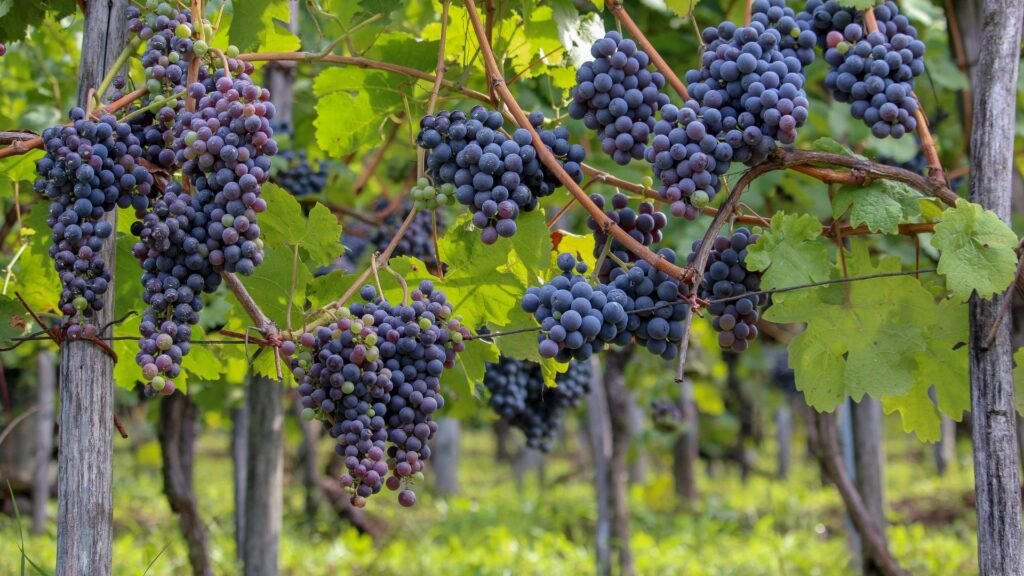
The best month to plant grape vines is not the same for every backyard, and you can see the proof of that at The Vineyard Patio in Barangay Laboy, Matnog, Sorsogon. This 800-square-meter vineyard grows Shine Muscat, Crimson, Yulian, Hope, Baikunor, and Radiant grapes in a tropical climate most people assume is too hot and humid for vines. If you want to see healthy grape vines up close before you plant your own, this is where to look.
Grape vines respond to temperature, rainfall, and daylight more than they respond to a date on a calendar. That means the best month to plant grape vines shifts depending on where you live. Cold regions plant in early spring. Warm and tropical regions have a wider window. Knowing your zone matters more than following a generic rule.
The Best Month to Plant Grape Vines Depends on Your Climate
Grape vines are dormant plants for part of the year, and that dormant period is usually the safest planting window. Growers use it to let roots settle before new growth starts. The trick is figuring out when dormancy lines up with stable weather in your specific area.
Best Month to Plant Grape Vines in Cool Temperate Zones
Cool and temperate regions face a short window between the last frost and the start of summer heat. Planting too early risks frost damage to new roots. Planting too late means the vine has less time to establish before winter returns.
- Early spring works best. Most temperate growers plant in March or April, right after the ground thaws.
- Watch the soil temperature, not just the air. Roots need soil above 10 degrees Celsius to grow properly.
- Avoid late frosts. A frost after planting can kill young shoots before they harden.
Best Month to Plant Grape Vines in Warm and Tropical Zones
Warm and tropical climates do not deal with frost, so the best month to plant grape vines is less about survival and more about rainfall timing. Heavy rain right after planting can rot young roots before they take hold.
- Dry-weather planting reduces root rot. Vines establish better when the soil is not waterlogged.
- Consistent warmth speeds up root development. Tropical soil rarely drops below the temperature vines need.
- Shorter dormancy means faster results. Vines in warm zones often produce their first fruit sooner than those in cold regions.
The Vineyard Patio sits in exactly this kind of warm, tropical setting, and its vines stay active for most of the year instead of going fully dormant like vines in colder countries.
Why Grape Vines Thrive in a Tropical Setting Like Matnog
Most guides assume grapes need a cold winter to produce fruit. Sorsogon’s climate proves that assumption wrong when the right varieties are chosen and managed with care.
What Makes Matnog’s Climate Work for Grape Growing
Matnog sits near the coast, which keeps temperatures steady and reduces the extreme swings that stress young vines. Steady temperatures mean fewer shocks to the root system after planting.
The soil around Barangay Laboy also drains well, which lowers the risk of the root rot that ruins many tropical planting attempts. Good drainage combined with steady warmth creates conditions that many cold-climate vineyards cannot match outside their short growing season.
How The Vineyard Patio Manages Grapes Without Winter Dormancy
Grape varieties like Shine Muscat and Crimson were selected specifically because they adapt to warm climates without needing a hard winter to trigger fruiting. The team times pruning and feeding cycles instead of relying on seasonal dormancy the way temperate vineyards do.
This approach means visitors can see vines at different growth stages depending on when they visit, which is part of what makes the grape-picking experience feel different every trip.
A Month-by-Month Look at Grape Vine Planting Windows
Instead of picking one single best month to plant grape vines, it helps to think in seasonal blocks. Here is a simple breakdown by general climate type.
- January to March (cool zones): Wait for the last frost to pass before planting bare-root vines.
- March to May (temperate zones): This is the standard planting window once soil temperature stabilizes.
- November to February (tropical and warm zones): Dry season months reduce the risk of root rot from heavy rain.
- Year-round with care (established tropical vineyards): Sites with good drainage and irrigation control, like The Vineyard Patio, can manage new plantings outside the typical dry season with extra attention.
Timing your planting to the dry season in a tropical setting lowers stress on new roots. It also gives the vine a full stretch of stable weather before any heavy rains arrive.
What You Can Learn From Visiting The Vineyard Patio
Reading about grape vine planting only tells part of the story. Seeing a working vineyard shows how spacing, trellising, and grape variety choice actually play out.
- Grape-picking access. Guests walk through rows of Shine Muscat, Crimson, Yulian, Hope, Baikunor, and Radiant vines and pick their own bunches.
- Entry is simple. Off-season entry runs around 50 pesos, while pick-and-pay season runs about 300 pesos per kilo.
- Early access for booked guests. While regular hours start at 11am Monday through Saturday and 1pm on Sunday, pre-booked guests can arrange an earlier visit.
- Gazebo dining with a view. A rustic open-air wooden gazebo overlooks the vines, serving local and international dishes paired with fresh grapes.
Watching how the vines are trained along the gazebo view gives a clearer sense of spacing and support than any planting guide can explain on its own. That kind of first-hand look is often the missing piece for anyone planning their own small vineyard.
Frequently Asked Questions
Does the best month to plant grape vines change between countries? Yes, it depends on frost risk, rainfall, and soil temperature in each specific region. A grower in a cold country and a grower in a tropical country will rarely plant in the same month.
Can grape vines grow well without a cold winter? Yes, certain varieties adapt to warm climates and fruit without needing a hard winter. The Vineyard Patio grows several of these varieties successfully in Sorsogon.
What is the biggest risk when planting grape vines in a tropical climate? Root rot from heavy rain right after planting is the biggest risk. Planting during the dry season lowers that risk significantly.
Plan Your Visit to The Vineyard Patio
Understanding the best month to plant grape vines gives you a strong starting point, but nothing replaces walking through a working vineyard yourself. The Vineyard Patio in Barangay Laboy, Matnog offers grape picking, gazebo dining, and event packages for weddings, birthdays, baptisms, and other celebrations in a setting you will not find anywhere else in the second district of Sorsogon. Reservations are recommended, so reach out ahead of your visit to plan the grape-picking, dining, or event experience that fits your trip.