
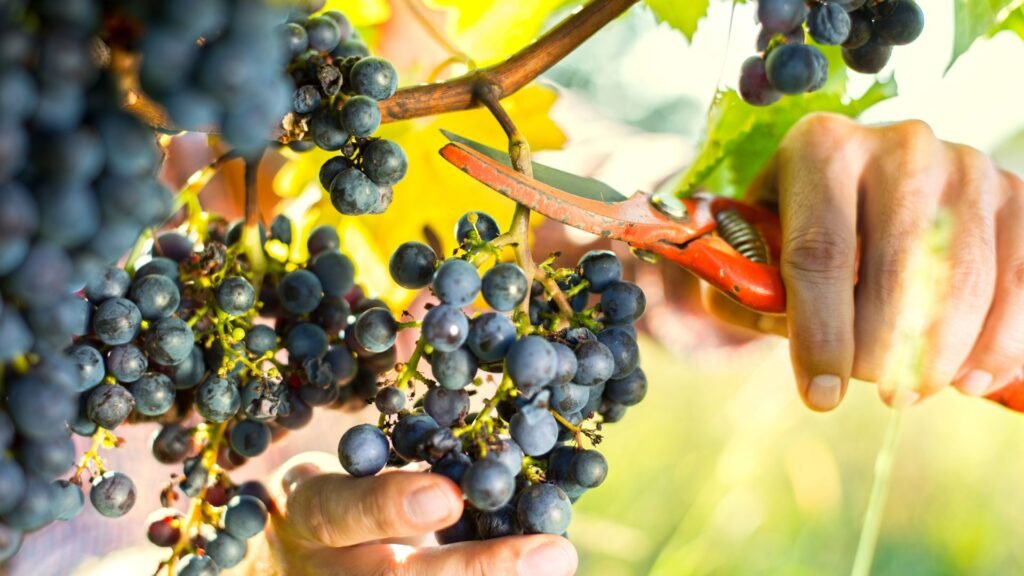
Grape Harvest Season in a Hot Climate: Timing Guide
Grape harvest season in a hot climate runs on a different clock than cooler wine regions. At The Vineyard Patio in Barangay Laboy, Matnog, that difference shows up every single year. This 800-square-meter vineyard sits in the second district of Sorsogon. Tropical heat speeds up how fast grapes ripen here. Grape harvest season in a hot climate means watching the vines closely. It is not just marking a date on a calendar. Growers check color, taste, and skin texture almost every day once fruit starts changing. A trip to Matnog shows this timing in real life, not just in theory.
What Makes Grape Harvest Season Hot Climate Timing Tricky
Grape harvest season’s hot climate timing gets tricky because heat treats every part of the vine differently. Sugar builds up fast in warm weather, but acid drops just as quickly. That gap between sugar and acid separates a great grape from a sour one. Growers in hot regions have to catch that window before it closes. Sometimes that window shuts within a matter of days.
A few factors push that window open or shut faster than usual:
- Daily temperature swings. Grapes ripen quicker when days stay hot and nights barely cool down.
- Soil moisture. Dry soil during grape harvest season and hot climate stress can force grapes to ripen early and unevenly.
- Sun exposure. Vines with full sun all day tend to ripen faster than shaded rows.
- Variety type. Some grapes, like Shine Muscat, handle heat better than others and hold their flavor longer.
These factors rarely work alone. They stack together. That is why this timing takes daily attention, not a fixed date on a calendar. A grower who checks vines only once a week can miss the ideal window entirely.
Cooler regions often measure ripeness in weeks. Hot climates measure it in days, sometimes even hours during a heat spike. That difference changes farm scheduling during grape harvest season in hot-weather climate stretches. A crew that plans picking days too far in advance risks missing peak flavor completely.
Ripeness Signs to Watch Before You Pick
Ripeness signs tell growers more than any calendar ever could. In a hot climate, grapes can look ready a full week before they truly are. Color, texture, and taste each play a role in confirming when to pick. Relying on just one sign leads to mistakes more often than people expect.
Look at Color and Skin Texture
Color change is the first clue, but it is not the final answer. Grapes should reach their full variety of color, not just a hint of it. Skin should feel slightly soft, not hard or wrinkled. Wrinkled skin in a hot climate often means the grape sat too long past its ripe window. Growers who only glance at color tend to pick either too early or too late.
Check Sugar Level With a Quick Taste Test
A taste test beats guessing every time. Ripe grapes taste sweet first, with barely any sour bite after. If the sourness lingers, the grapes need a few more days on the vine. Growers who rely only on color during grape harvest season in hot climate conditions often pick too early. Taste testing grapes from different parts of the vine gives a more honest read. It works better than judging by look alone.
How Heat Impacts Grape Harvest Season Hot-Climate Windows
Heat shrinks the harvest window instead of stretching it. Grape harvest season hot climate windows can close within days once temperatures spike past normal levels. That is very different from cooler climates. Growers there sometimes have weeks of flexibility to decide when to pick.
Morning Harvest Beats Afternoon Heat
Picking in the early morning keeps grapes cooler and firmer. Afternoon heat softens the fruit and speeds up spoilage right after picking. Most experienced growers in warm regions start harvest work before eight in the morning. This single habit protects fruit quality more than almost any other step in the process. Grapes picked warm also bruise more easily during handling and transport. Cooler grapes also travel better on the same-day trip to a kitchen or storage area.
Watering and Shade Adjustments for Grape Harvest Season Hot Climate
Watering less in the final week before harvest can concentrate sugar in the grapes. Too much water right before picking dilutes flavor and delays ripening. Some growers also add light shade cloth during peak afternoon sun to slow down over-ripening. These small adjustments count for a lot during grape harvest season hot climate stretches. A few extra degrees can change the whole picture. Skipping these steps often leads to fruit that ripens unevenly across the same row.
Why The Vineyard Patio Gets Grape Harvest Season Hot Climate Timing Right
The Vineyard Patio has built its grape harvest season hot climate approach around daily observation, not guesswork. Guests who visit during pick season see this firsthand. It beats reading about it secondhand in a brochure.
A few things set this vineyard apart from a typical farm visit:
- Multiple grape varieties in one field, including Shine Muscat, Crimson, Yulian, Hope, Baikunor, and Radiant. Each ripens at its own pace.
- Flexible entry options, with a lower rate for browsing off-season. A pick-and-pay rate lets guests take grapes home.
- Early access for booked guests, so visitors can catch the vines before the afternoon heat sets in.
- A gazebo dining area overlooking the vines. Guests can enjoy a meal paired with fresh grapes right after picking.
The vineyard sits close to the coast in Matnog. Humidity and heat move differently here than on inland farms further north. That coastal influence shapes how staff track ripeness day by day. It makes a visit here feel like a working farm tour, not a staged photo stop. The team also runs the gazebo dining space and event packages for weddings, birthdays, and baptisms. The grape schedule rarely gets in the way of a planned visit.
Planning a Visit Around Harvest Timing
Grape harvest season hot climate visits work best when you plan around open hours, not a guess. The Vineyard Patio opens at eleven in the morning Monday through Saturday. Sunday hours start at one in the afternoon. Guests who book ahead can arrange earlier access.
The location works well for a day trip from several nearby towns:
- About 30 minutes from Bulan
- About 10 minutes from Irosin
- About 45 minutes from Santa Magdalena and Bulusan
- About 30 minutes from Matnog Port, since Laboy sits as the first barangay in Matnog
If you are traveling from anywhere in the second district of Sorsogon, the drive is worth it. Few places in the region combine hands-on grape picking with a full dining and events experience. Even outside peak ripeness weeks, the gazebo and grounds make for a relaxed afternoon.
Frequently Asked Questions
Why does grape harvest season hot climate timing change so fast?
Heat speeds up sugar buildup while acid drops quickly, which shrinks the ripe window. Growers need to check grapes daily instead of relying on a set date.
What time of day is best for picking grapes in hot weather?
Early morning, ideally before eight, keeps grapes cooler and firmer. Afternoon heat softens the fruit and speeds up spoilage after picking.
Can I still visit The Vineyard Patio outside of harvest weeks?
Yes. The gazebo dining area and events venue stay open year-round, separate from the grape-picking schedule.