
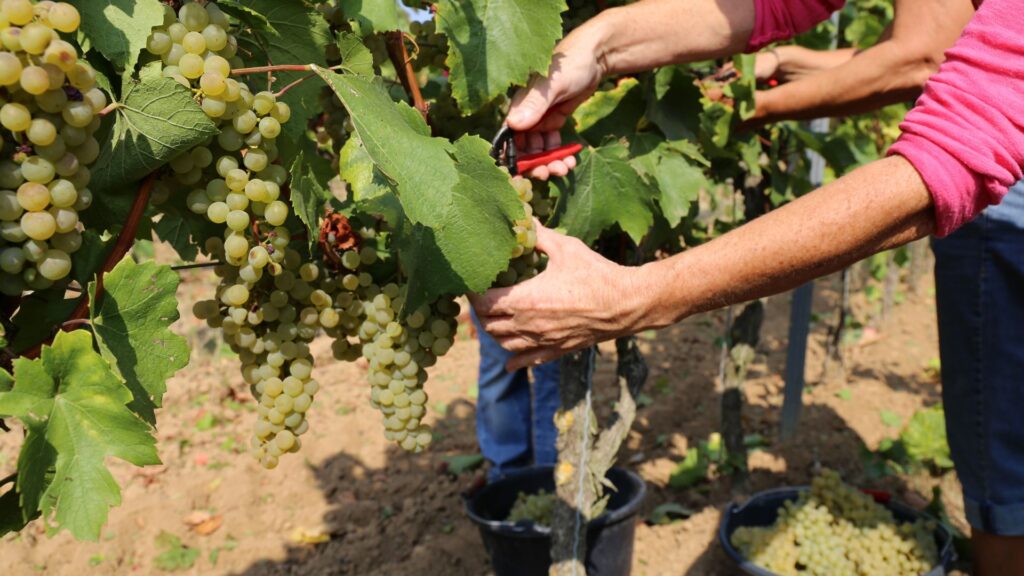
Grape Vine Care Tips for Healthy Production
Grape vine care tips are something every grower needs — whether you tend a backyard trellis or manage a full vineyard. At The Vineyard Patio in Barangay Laboy, Matnog, Sorsogon, keeping the vines healthy is what makes the whole experience possible. Guests pick fresh grapes straight from the vine, and that only works when the plants are properly cared for all year. Good grape vine care is not complicated, but it does require consistency. This guide covers the four core areas: fertilizing, pruning, watering, and pest control.
Fertilizing Grape Vines the Right Way
Fertilizing is one of the most misunderstood parts of grape vine care. Most people think more fertilizer means bigger grapes, but that is not how it works. Over-fertilizing — especially with nitrogen — pushes the plant to grow more leaves and shoots. The vine looks lush, but fruit production drops.
What Nutrients Grape Vines Actually Need
Grape vines are heavy feeders for a few specific nutrients. Here is what matters most:
- Nitrogen (N): Supports early shoot growth, but too much delays fruit ripening. Apply lightly in early spring, then stop before flowering.
- Phosphorus (P): Encourages strong root development and flower formation. It is especially important for young vines in their first two years.
- Potassium (K): This is the grape grower’s best friend. Potassium improves fruit quality, sugar content, and disease resistance. Apply it consistently throughout the growing season.
- Magnesium: Deficiencies show up as yellowing between leaf veins. Grape vines need magnesium to produce chlorophyll and carry out photosynthesis efficiently.
- Zinc: Low zinc leads to poor fruit set. The berries grow unevenly, with many not developing at all.
When and How to Fertilize
Apply a balanced fertilizer (like 10-10-10) in early spring before the vine breaks dormancy. Switch to a low-nitrogen, high-potassium formula once flowering starts. A soil test every two years helps you avoid guessing. In tropical climates like Sorsogon, vines do not go fully dormant, so monitor growth patterns and adjust accordingly. Organic options like compost and banana peel tea work well for slow-release potassium.
Pruning Grape Vines for Better Fruit
Pruning is the single most effective grape vine care tip for improving yield. Without it, vines produce excessive shoots, dense canopies, and small fruit. Proper pruning controls where the plant puts its energy.
The Right Time to Prune
In the Philippines, grape vines do not follow the same dormant winter schedule as vines in temperate regions. Local growers typically prune after harvest, allowing the vine a short rest before the next growing cycle begins. Pruning during this window reduces the risk of disease entry through fresh cuts.
Avoid pruning during rainy seasons. Wet cuts invite fungal infections and slow wound healing.
How to Prune Properly
The goal is to keep a clean framework of main canes and remove most of the previous season’s growth. Here is a simple approach:
- Remove dead and diseased wood first. Cut back to healthy tissue and disinfect your pruning shears between cuts.
- Select two to four strong canes per vine. These become your fruiting canes for the next season.
- Cut back other canes to two-bud spurs. These short stubs produce new shoots for future seasons.
- Thin out dense areas. Air needs to move through the canopy. Tight clusters of leaves hold moisture and breed disease.
At The Vineyard Patio, the 800 sqm vineyard grows varieties like Shine Muscat, Crimson, Yulian, Hope, Baikonur, and Radiant. Each variety responds slightly differently to pruning, but the principle stays the same — fewer canes, better fruit.
Watering Grape Vines Without Overwatering
Grape vines are more drought-tolerant than most people expect. They have deep root systems that pull moisture from lower soil layers. Overwatering is a bigger threat than underwatering in most cases.
Deep, Infrequent Watering Works Better
Shallow, frequent watering keeps roots near the surface. Deep, infrequent watering trains roots to go deeper into the soil, where moisture is more stable. This makes the vine more resilient during dry spells.
A good rule of thumb: water deeply once a week during dry periods. Let the top few inches of soil dry out before watering again. Drip irrigation delivers water directly to the root zone and reduces leaf wetness, which lowers disease risk.
Watering at the Right Growth Stages
Not all growth stages need the same amount of water. Here is a general breakdown:
- Early spring (bud break): Moderate watering to support new shoot growth.
- Flowering: Reduce watering slightly. Excess moisture during flowering affects pollination.
- Fruit set to veraison (when grapes start to color): Consistent moisture supports berry development.
- Post-veraison to harvest: Cut back on water. Mild stress during this stage concentrates sugars in the fruit, which improves flavor.
- After harvest: Allow the vine to rest. Water only if the soil is very dry.
In Sorsogon’s climate, rainfall often handles a good portion of the vine’s water needs. The challenge is managing excess moisture during heavy rain periods, which brings us to the next section.
Pest and Disease Control for Grape Vines
Pest and disease pressure is one of the biggest challenges in grape vine care, especially in a humid, tropical environment. Good management starts with prevention, not reaction.
Common Pests That Attack Grape Vines
Knowing what to look for saves time and reduces crop losses. These are the most common threats:
- Grape berry moth: The larvae bore into developing berries, making them vulnerable to rot. Monitor with pheromone traps and act early.
- Mealybugs: These sap-sucking insects hide under bark and in leaf clusters. They weaken the vine and produce honeydew, which attracts sooty mold. Insecticidal soap or neem oil works well against light infestations.
- Spider mites: Tiny mites that thrive in hot, dry conditions. They cause stippled, bronzed leaves. Spray the undersides of leaves with water or use a miticide for heavier infestations.
- Leafhoppers: These pierce leaves and drain plant fluids, causing white stippling. Beneficial insects like lacewings help control populations naturally.
Fungal Diseases to Watch For
Humidity is the enemy of grape vines in tropical climates. These fungal diseases are the most common:
- Powdery mildew: Shows up as white powdery patches on leaves and young berries. It thrives in warm, dry-to-humid conditions. Sulfur-based sprays applied before symptoms appear give the best protection.
- Downy mildew: Different from powdery mildew — it appears as yellow patches on leaf surfaces with gray-white growth underneath. Copper-based fungicides help, but canopy management is the first line of defense.
- Botrytis (gray mold): A common post-harvest and late-season problem. Tight grape clusters trap humidity and create the perfect environment. Thinning clusters and improving air circulation reduces risk significantly.
A Preventive Spray Schedule
Reacting to disease after it appears is always harder than preventing it. A simple preventive spray schedule keeps vines healthy through the season:
- Apply copper fungicide at bud break.
- Switch to sulfur-based sprays during flowering and fruit set.
- Continue sulfur applications every 10 to 14 days through veraison.
- Stop spraying two to three weeks before harvest to avoid residue on fruit.
Rotate between fungicide types to prevent resistance from building up.
See These Grape Vine Care Tips in Practice
Reading about grape vine care tips is one thing. Watching them work in a real vineyard is another. The Vineyard Patio gives visitors a close-up view of working vines — trellises, variety signs, and fruit at different stages of development. It is the first grape-picking destination in Sorsogon, and the vines there are a direct result of consistent care across all four pillars covered in this guide.
Guests can visit the vineyard for the grape-picking experience, enjoy a meal at the open-air gazebo, or book the venue for events. The dine-in restaurant features local seafood, grilled dishes, and menu items that pair well with fresh fruit from the vines. It is also a great spot to talk with the team about how the vineyard operates and what goes into keeping these varieties productive in a tropical setting.
The place sits in Barangay Laboy — the first barangay in Matnog — about 30 minutes from the port. For anyone traveling from Irosin, it is a 10-minute drive. From Bulan, expect around 30 minutes. From Sta. Magdalena and Bulusan, the drive is about 45 minutes. Every variety grown there, from Anuta to Brazilian Hybrid to Everest, tells a story about soil, pruning decisions, and daily care routines. You can also read more about what makes the vineyard worth visiting and what a full day at the vineyard looks like.
Final Notes on Grape Vine Care
Healthy grape production comes down to four consistent practices: balanced fertilizing, disciplined pruning, deep infrequent watering, and proactive pest and disease management. None of these steps work in isolation. A vine that gets perfect water but no pruning still underperforms. A vine that gets pruned well but hit with powdery mildew still loses fruit.
The best grape growers treat their vines like long-term investments. Small, regular actions build up over time into a productive, resilient plant. These grape vine care tips apply whether you are growing grapes in your garden or planning a full-scale vineyard in Sorsogon. Start with one area, apply it consistently, and the results follow.