
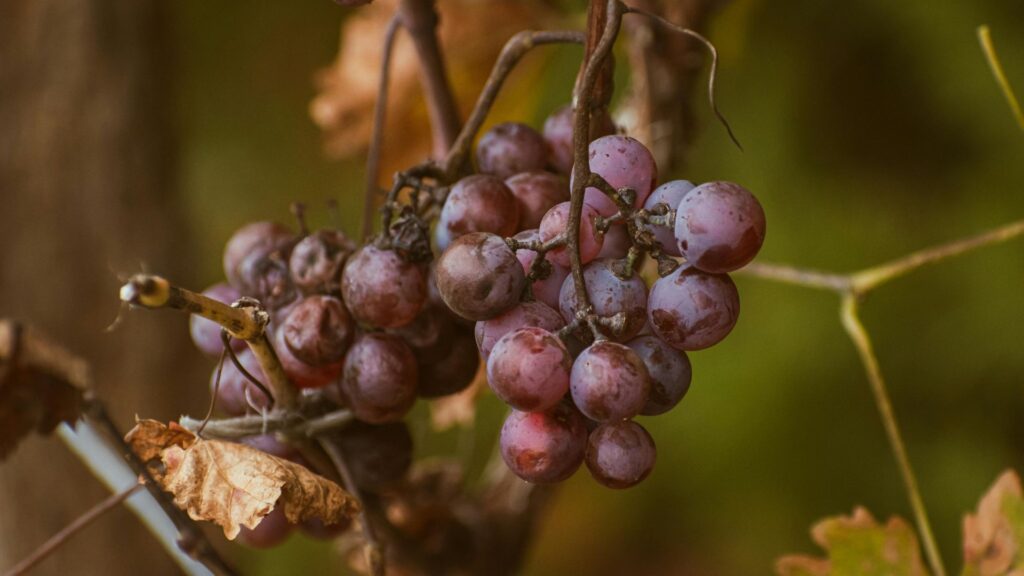
How to Grow Grapes in Hot Climate: Surviving Extreme Heat
Learning how to grow grapes in a hot climate is not as complicated as most people think. The proof is right at The Vineyard Patio in Matnog, Sorsogon a working vineyard sitting in one of the warmest, most humid corners of the Philippines. Heat and humidity do not have to be obstacles. With the right approach to irrigation, soil care, and sun management, grapes can not only survive but thrive under a blazing sky. This guide covers the practical techniques behind growing grapes in high-heat conditions, drawn from real-world tropical growing experience.
Why Hot Climates Are Actually Good for Grapes
Most people assume grapes belong only in the cool hills of Europe or California. The truth is different. Grapes are one of the few fruit crops that genuinely love warmth. They produce more sugar in their berries when they get plenty of sun. That sugar is what gives grapes their sweetness and makes them worth picking.
The challenge in a hot climate is not the heat itself. The real issue is heat stress. When temperatures spike too fast or soil dries out too quickly, the vine shuts down to protect itself. Leaves curl. Berry development stalls. Growth slows dramatically. The goal of every technique in this guide is to keep the vine productive without letting it hit that stress point.
How Grapevines Respond to Heat
Grapevines are adaptive plants. They have a natural survival mechanism called stomatal closure. When temperatures rise too high, the vine closes the tiny pores on its leaves to slow water loss. This is a protective response, but it also halts photosynthesis. No photosynthesis means no fruit development.
A vine under constant heat stress will survive, but it will not produce well. The key difference between a stressed vine and a productive one often comes down to three factors: water availability at the root zone, canopy management, and soil health.
Hot Climate Grape Varieties Worth Growing
Not every grape variety tolerates heat equally. Some varieties are bred specifically for warm, humid conditions. At The Vineyard Patio, the 800-square-meter vineyard grows several heat-adapted varieties, including:
- Shine Muscat — thin-skinned, sweet, performs well in high humidity
- Crimson Grapes — firm flesh, handles heat without losing color
- Baikonur Grapes — known for large berry size and tropical adaptability
- Radiant Grapes — early ripening, less time exposed to peak summer heat
- Hope Grape Variety — consistent producer in warm, low-elevation zones
- Yulian Grape Variety — mild flavor, good disease resistance in humid climates
Starting with the right variety saves a lot of trouble. A heat-sensitive variety planted in a tropical setting will struggle no matter how well you manage water and soil.
How to Grow Grapes in Hot Climate: Irrigation Techniques That Work
Water management is the single most important factor when you grow grapes in a hot climate. Too little water during fruit development causes small, shriveled berries. Too much water dilutes flavor and invites root disease. The goal is consistent soil moisture, not wet soil.
Here are the irrigation methods that work best in high-heat conditions:
Drip Irrigation at Root Depth
Surface watering in hot climates is wasteful. Water evaporates before it reaches the roots. Drip irrigation solves this by delivering water directly to the base of each vine. Emitters placed 30 to 45 centimeters from the trunk release water slowly at ground level.
The advantage of slow delivery is deep penetration. Water moves down into the root zone rather than spreading across the surface. Deep roots are more drought-tolerant because they access moisture stored lower in the soil profile. Shallow-rooted vines are the first to suffer when surface soil dries out between watering cycles.
Run drip lines early in the morning. Morning irrigation reduces evaporation loss and gives the canopy time to dry before evening, which lowers the risk of fungal disease.
Watering Frequency in Peak Heat
During the hottest months, grapevines need water more often. A general rule for sandy or well-draining soils in hot climates is every two to three days during active growth and every five to seven days during dormancy. Clay soils hold moisture longer and need less frequent watering.
The best way to check is to push a finger or a thin rod about 10 centimeters into the soil near the base of the vine. If the soil feels dry at that depth, it is time to water. If it still feels moist, wait another day.
Mulching to Lock in Moisture
Mulch is one of the most underused tools in hot-climate viticulture. A thick layer of organic mulch, around 8 to 10 centimeters deep, placed around the base of each vine does three things at once:
- Reduces soil surface temperature by blocking direct sun
- Slows moisture evaporation from the topsoil
- Breaks down over time and adds organic matter to the soil
Rice straw, dried leaves, wood chips, and coconut husk all work well as mulch materials in tropical settings. Avoid piling mulch directly against the vine trunk, as this can trap moisture and cause rot at the base.
Shade Cloth and Canopy Management for Heat Protection
Sun is not the enemy of the grapevine. Too much direct exposure on the wrong parts of the vine is the problem. Grapes need sun on their fruit for sugar development, but excessive sun on leaves causes scorching and shuts down the vine’s ability to photosynthesize.
Using Shade Cloth the Right Way
Shade cloth is a practical tool for managing extreme heat in vineyards. A 30 to 50 percent shade rating is the standard recommendation for grapevines in tropical and subtropical conditions. Anything above 50 percent blocks too much light and reduces fruit quality.
Install shade cloth above the canopy, not draped over the vines. An overhead structure that suspends the cloth 30 to 60 centimeters above the top of the trellis allows air circulation while reducing direct midday radiation. Good airflow under the cloth prevents humidity buildup, which would otherwise increase disease pressure.
Shade cloth is most useful during the hottest window of the day, roughly between 10 a.m. and 3 p.m. Some growers in tropical zones use retractable systems that allow full sun exposure in the morning and evening when temperatures are lower.
Training the Canopy for Self-Shading
Smart vine training reduces heat stress without any added materials. A well-developed canopy creates its own shade. Leaves at the top intercept sunlight and reduce the radiation that reaches the fruit zone below.
The overhead trellis system, also called a pergola or overhead canopy, is widely used in tropical viticulture for exactly this reason. Vines trained horizontally across a high trellis create a dense leaf roof. Fruit hangs below in dappled light, which speeds ripening without exposing berries to full noon sun.
Shoot positioning also matters. Remove basal leaves around fruit clusters selectively. Keeping three to four leaves above each cluster provides filtered shade without blocking airflow.
Soil Health and Moisture Retention in Hot Conditions
Healthy soil holds moisture longer and delivers nutrients more efficiently. In hot climates, soil health directly affects how well vines survive heat waves.
Grapevines grow best in well-draining soil with a pH between 6.0 and 6.5. In tropical environments, heavy rainfall can leach nutrients from the topsoil quickly. Regular soil testing helps growers catch deficiencies before they show up as symptoms on the vine.
Building Organic Matter in Tropical Soil
Organic matter is the key to moisture retention in sandy or fast-draining soils. Compost added to the root zone holds water like a sponge and feeds beneficial soil microbes. Those microbes break down organic material into forms the vine can absorb.
A common practice in tropical vineyards is to apply compost twice a year, at the start of the rainy season and again before the dry season. This keeps organic matter levels stable despite the rapid breakdown caused by tropical heat and humidity.
Cover crops planted between vine rows also add organic matter when tilled in. Legumes like mung bean or cowpea fix nitrogen in the soil and improve structure when incorporated.
Soil Temperature and Root Health
Soil temperature in direct sun can reach 50 degrees Celsius or higher on a hot day. Root activity slows significantly above 35 degrees. Mulching, as mentioned earlier, is the first line of defense. A second strategy is planting cover crops between rows. Ground cover plants shade the soil and reduce surface temperatures by 8 to 12 degrees compared to bare earth.
See How It Works at The Vineyard Patio
The techniques described in this guide are not just theory. At The Vineyard Patio in Brgy. Laboy, Matnog, Sorsogon, these methods are applied in a real tropical vineyard. The result is a productive, year-round grape-growing operation in a region most people would not associate with viticulture.
The vineyard covers 800 square meters and grows multiple heat-adapted varieties side by side. Visitors who come for grape picking get to see the vines up close and observe how tropical viticulture actually works. The overhead trellis structure, the fruit hanging in clusters below the canopy, and the variety in stages of ripeness tell the whole story better than any diagram.
The Vineyard Patio is not just a tourist spot. It is the first-ever grape-picking destination in Sorsogon. Dining at the rustic open-air gazebo overlooking the vineyard adds a layer of experience that a simple farm visit cannot match. The menu features local seafood and grilled specialties, and everything is served surrounded by the same vines that grew the fruit guests pick by hand.
For anyone in the 2nd district of Sorsogon, The Vineyard Patio is a short drive away. It sits in Barangay Laboy, the first barangay in Matnog, about 30 minutes from Matnog Port. Visitors from Irosin are about 10 minutes away. Those coming from Bulan or Bulusan are roughly 30 to 45 minutes out, and the drive is absolutely worth it. There is no other destination like it in the region, where you can actually walk through a working vineyard, pick grapes, and sit down to a proper meal in the same visit. Check out things you can do at The Vineyard Patio for the full picture.
Putting It All Together
Growing grapes in a hot climate takes planning, but it is very achievable. The plants themselves are built for warmth. What they need is consistent water at the root level, protection from the harshest midday sun, and soil that stays healthy despite tropical heat. Drip irrigation, mulching, smart canopy training, and shade cloth all work together to keep vines productive through the hottest months.
The varieties make a difference too. Starting with tropical-adapted grapes like Baikonur, Brazilian Hybrid, Shine Muscat, or Everest Grapes gives any grower a head start. These varieties were selected precisely because they perform in conditions where European wine grapes would fail.
A working example of how to grow grapes in a hot climate is already here in Sorsogon. The Vineyard Patio in Matnog stands as living proof that with the right variety choices, water management, and soil care, tropical grape growing is not only possible. It is also something worth visiting.