
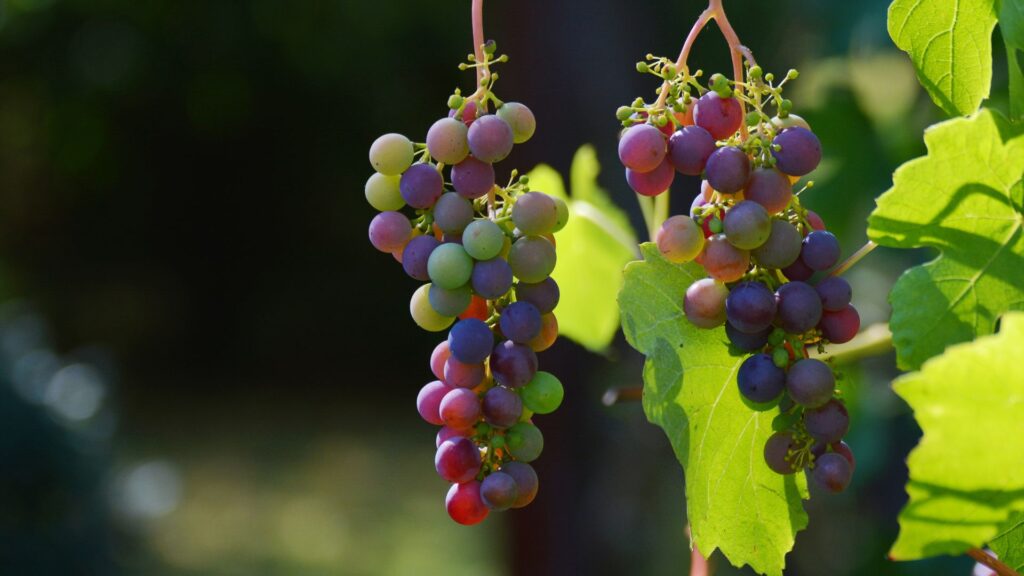
How to Grow Grapes in Your Backyard: Full Guide
Learning how to grow grapes in your backyard opens a surprisingly rewarding chapter in home gardening. Grapes are not just fruit. They are a long-term investment in your outdoor space that, with the right setup, keeps producing for decades. The challenge is that most beginner guides skip the details that actually determine whether your vines thrive or stall out in year two. This guide covers site selection, trellis setup, and a practical maintenance schedule you can follow at home.
For a real-world look at what a working vineyard looks like, The Vineyard Patio in Matnog, Sorsogon is the first grape-picking destination in the region. Their 800 sqm vineyard is a living example of how grapes flourish in a tropical setting when given the right conditions. Visiting one gives you a completely different perspective on what you are working toward at home.
Choosing the Right Site for Your Backyard Vineyard
Before you plant a single vine, the site you pick will shape everything that comes after. Grapes are particular about where they grow. Poor site selection is the most common reason home vineyards fail before they ever produce fruit.
Sunlight Requirements
Grapes need at least six to eight hours of direct sunlight daily. South-facing or west-facing slopes or walls are ideal in the Northern Hemisphere. The more consistent the sun exposure, the better the fruit development and disease resistance. Avoid spots where trees or structures cast shadows during peak afternoon hours.
Soil Conditions
Well-draining soil is non-negotiable. Grapevines do not tolerate waterlogged roots. Sandy loam or loamy soil with a pH between 5.5 and 6.5 gives the best results. Heavy clay soils need to be amended with coarse sand and organic matter before planting. A simple soil test from a garden center takes the guesswork out of it and costs very little.
Avoid low-lying areas where cold air or standing water collects. Frost pockets and poor drainage are two of the fastest ways to lose a young vine.
Air Circulation
Good airflow cuts down on fungal diseases like powdery mildew and botrytis. Planting along a fence line or an open garden bed away from dense hedges lets air move freely through the canopy. This is a small detail that makes a big difference later in the growing season.
How to Set Up a Grape Trellis
A trellis is not optional. Grapes are climbing vines, and without proper support, they sprawl across the ground, get poor air circulation, and become difficult to manage. A sturdy trellis also makes pruning and harvesting far more practical.
There are several trellis systems used by home growers and commercial vineyards alike. The one you choose depends on your space, grape variety, and how much maintenance you are willing to do.
The VSP (Vertical Shoot Positioning) Trellis
This is the most widely used trellis system for backyard growers. It trains the vine along two to three horizontal wire runs attached to end posts. Shoots grow vertically between catch wires above the fruiting zone.
How to build a basic VSP trellis:
- Use treated wooden or metal posts at least 6 to 8 feet tall, sunk 2 feet into the ground
- Space posts 8 to 10 feet apart along the vine row
- Run 12 to 14-gauge galvanized wire at 18 inches and 36 inches from the ground for the fruiting zone
- Add two more catch wires at 48 and 60 inches for shoot positioning
- Anchor the end posts with diagonal bracing or anchor stakes to handle wire tension
The VSP system keeps fruit in a well-defined zone, improves sunlight exposure, and makes pruning straightforward even for beginners.
The Single Curtain or Guyot System
The Guyot system is common in small backyards where space is limited. One or two long canes are trained along a single fruiting wire. It is simpler to manage than VSP and works well with varieties that produce fruit on one-year-old wood.
For tropical climates where grapes grow more aggressively, a higher trellis with wider spacing between vines often produces better results. The Vineyard Patio grows varieties like Shine Muscat, Crimson, Baikonur, and Radiant across an 800 sqm site. Seeing how a working vineyard structures its canopy management gives home growers a very practical point of reference.
How to Grow Grapes in Your Backyard: Planting Steps
Once your site is ready and your trellis is in place, the actual planting process is straightforward. Timing and spacing are the two things most beginners underestimate.
Best Time to Plant
In temperate climates, plant bare-root vines in early spring before the last frost, when the soil is workable. In tropical or subtropical climates, the dry season is generally the best time to get vines established before heavier rains arrive.
Spacing
Space vines 6 to 8 feet apart within a row, with rows at least 8 to 10 feet apart if you are planting multiple rows. Crowded vines compete for nutrients and light. They also hold more moisture, which accelerates disease.
Planting Process
- Dig a hole about 12 inches wide and 12 inches deep
- Trim any damaged or overly long roots before planting
- Set the vine so the graft union sits just above the soil line
- Backfill with the original soil, gently firming it around the roots
- Water deeply immediately after planting
- Cut the vine back to two or three buds to encourage strong root development in year one
Do not rush to train shoots in the first year. Root establishment is the priority.
Grape Maintenance Schedule by Season
Growing grapes in your backyard follows a clear seasonal rhythm. Missing key tasks in any season carries forward into the next year. Here is what the calendar looks like for a productive home vineyard.
Late Winter to Early Spring: Pruning Season
Pruning is the single most important annual task for grape growers. It controls vine size, directs energy to fruit production, and prevents disease buildup. Prune when the vine is still dormant, after the coldest weather has passed but before buds begin to swell.
Key pruning guidelines:
- Remove about 80 to 90 percent of last year’s wood
- Retain canes or spurs based on your trellis system
- Cut cleanly with sharp, sterilized pruning shears
- Leave two to three buds per spur on a spur-pruned system
- On cane-pruned systems, select one to two healthy canes per side and tie them to the fruiting wire
Over-pruning is a common fear, but under-pruning is the bigger problem for home growers. Too much old wood leads to dense canopies, poor air movement, and reduced fruit quality.
Spring: Training and Canopy Management
As shoots emerge and grow, tuck them between the catch wires of your VSP trellis. Remove any suckers growing from the base of the trunk. Thin shoots to 4 to 6 inches apart along the fruiting zone to avoid overcrowding.
Watch for early signs of powdery mildew, which appears as a white, powdery coating on young leaves. A preventive sulfur spray applied every 10 to 14 days during humid spring conditions keeps it under control without heavy chemical use.
Early Summer: Cluster Thinning and Shoot Positioning
Once flower clusters have set fruit and small berries are visible, thin clusters to one or two per shoot. This concentrates the vine’s energy into fewer, higher-quality bunches. Vines loaded with too many clusters often produce small, watery fruit with poor flavor.
Continue tucking shoots upward into catch wires as they grow. Hedging the tops of shoots when they exceed the top wire prevents excessive shading in the lower fruiting zone.
Late Summer: Pre-Harvest Leaf Removal
Removing leaves around the fruit zone two to three weeks before harvest improves air circulation and sun exposure directly on the clusters. This speeds up ripening and reduces the risk of bunch rots, especially in humid climates.
Taste test berries to track ripeness. Sugar content, skin color, and seed color together give a more complete picture of harvest readiness than appearance alone.
Fall: Harvest and Post-Harvest Care
Harvest when berries reach peak flavor, not just when they look ripe. After harvest, allow the vine to continue photosynthesizing until leaves drop naturally. This is when the vine stores carbohydrates in the roots and trunk, fueling next year’s growth.
Avoid heavy fertilization after harvest, as it pushes late growth that cannot harden off before cold weather.
Winter: Rest and Preparation
Winter is when you inspect the trellis, replace worn wires, and plan pruning cuts for the coming dormant season. It is also a good time to apply a dormant spray of copper-based fungicide to reduce overwintering disease pressure on the bark.
Grape Varieties Worth Growing at Home
Variety selection shapes the entire experience of growing grapes in your backyard. The climate, intended use, and desired flavor profile all factor into the decision.
For tropical and subtropical climates, seedless table grape varieties with heat tolerance perform best. Shine Muscat is prized for its sweet, aromatic flavor and translucent green skin. Baikonur grapes are a large, crisp variety that holds well on the vine. Brazilian Hybrid grapes were specifically developed for humid, warm growing conditions, making them a practical choice for backyard growers in Southeast Asia.
For cooler, temperate climates, classic wine varieties like Cabernet Sauvignon, Merlot, and Pinot Noir require a defined cold dormancy period and perform poorly in the tropics. Knowing your climate type before choosing a variety saves years of frustration.
Common Mistakes When Growing Grapes in Your Backyard
Even well-intentioned home growers run into predictable problems. Knowing what to watch for saves time and keeps the vineyard productive.
- Skipping the soil test. Planting into soil with the wrong pH stunts growth from the start. A cheap test prevents years of confusion.
- Watering too frequently. Grapes prefer deep, infrequent watering that encourages roots to go deeper. Shallow, frequent watering keeps roots near the surface and makes vines less drought-tolerant.
- Fertilizing with too much nitrogen. High nitrogen pushes excessive leaf growth at the expense of fruit production. A balanced fertilizer applied in early spring is sufficient for most established vines.
- Neglecting pruning in year one or two. Skipping early formative pruning creates structural problems that are hard to correct later. Train the trunk and first permanent arms carefully in the first two years.
- Letting the canopy get too dense. A dense canopy blocks sunlight and traps moisture, creating ideal conditions for fungal disease.
See Grapes Growing Up Close at The Vineyard Patio
Reading about how to grow grapes in your backyard is one thing. Seeing an actual working vineyard gives you a sense of scale, variety, and canopy management that no written guide fully replicates.
The Vineyard Patio in Barangay Laboy, Matnog, Sorsogon is the first grape-picking destination in the region. Their 800 sqm vineyard grows multiple table grape varieties, including Yulian, Hope, Anuta, Everest, and Shakhtar. Guests can pick grapes directly from the vine during the season.
Beyond the vineyard, The Vineyard Patio also offers dine-in in an open-air wooden gazebo overlooking the vines. The menu features local seafood, grilled dishes, and seasonal ingredients. For those planning a celebration, it also operates as an events venue suitable for birthdays, weddings, reunions, and more.
It sits in Barangay Laboy, which is the first barangay in Matnog, about 30 minutes from Matnog Port. For travelers from Irosin, the drive is around 10 minutes. From Bulan, it is about 30 minutes away. From Sta. Magdalena or Bulusan, expect a 45-minute drive. Other restaurants and events places in the second district of Sorsogon are also a drive away, so the travel time is worth it for something this unique. There is no other vineyard experience quite like it in the province.
Check out more on what you can do at The Vineyard Patio to plan your visit around the grape season. You can also browse grape picking in Sorsogon for a closer look at what the experience involves.
Final Thoughts on How to Grow Grapes in Your Backyard
Growing grapes in your backyard takes patience, but the process is more manageable than most people expect. Pick the right site, build a solid trellis, plant at the right time, and follow the seasonal maintenance calendar consistently. Those four things account for most of what separates a productive home vineyard from one that never really gets going.
The variety you choose matters too. Match it to your climate, and you remove one of the biggest variables from the equation. If you are in a tropical or subtropical region, explore the table grape varieties that are already proven in those conditions.
And if you want to see what a well-managed, diverse grape vineyard actually looks like in person, The Vineyard Patio in Matnog is worth the trip.