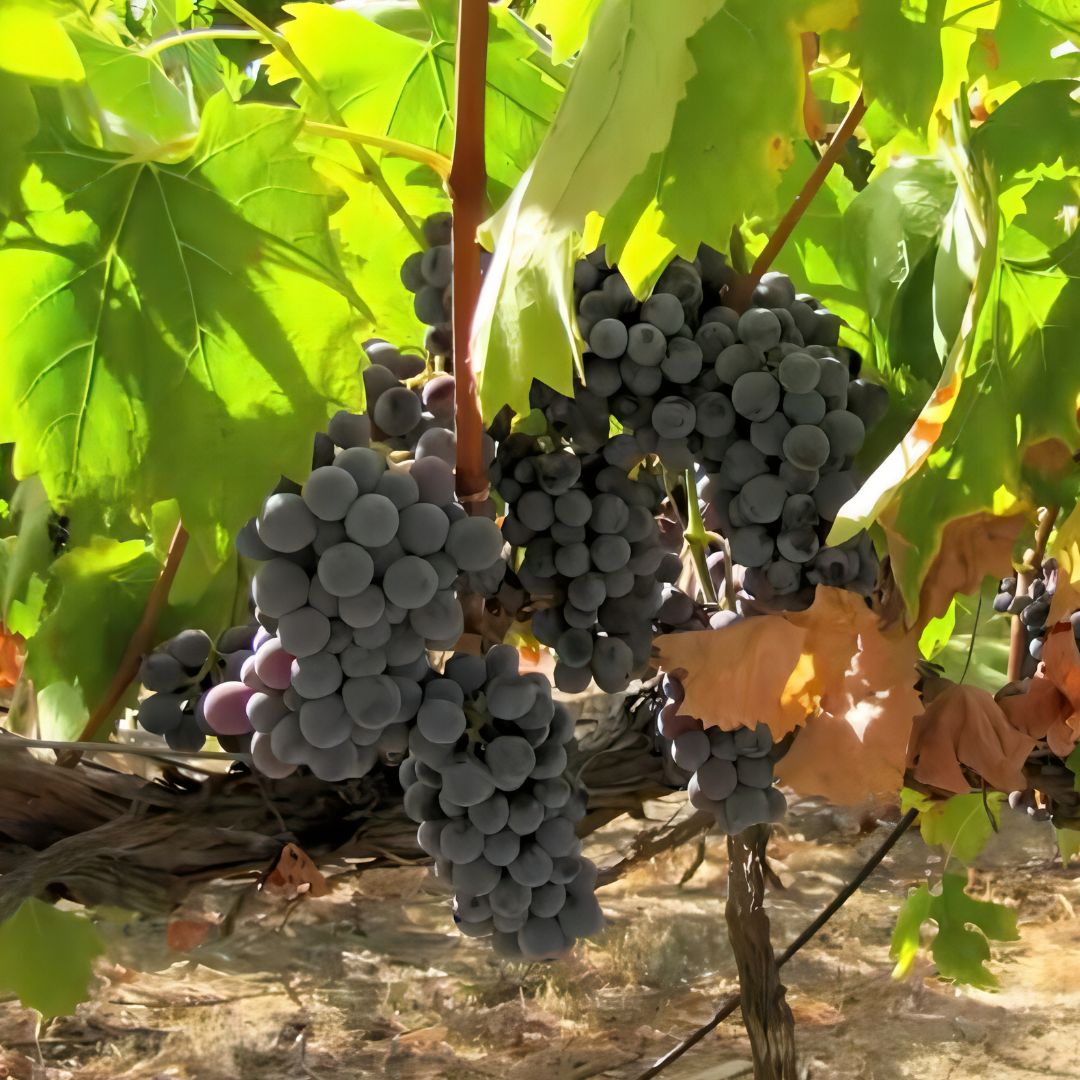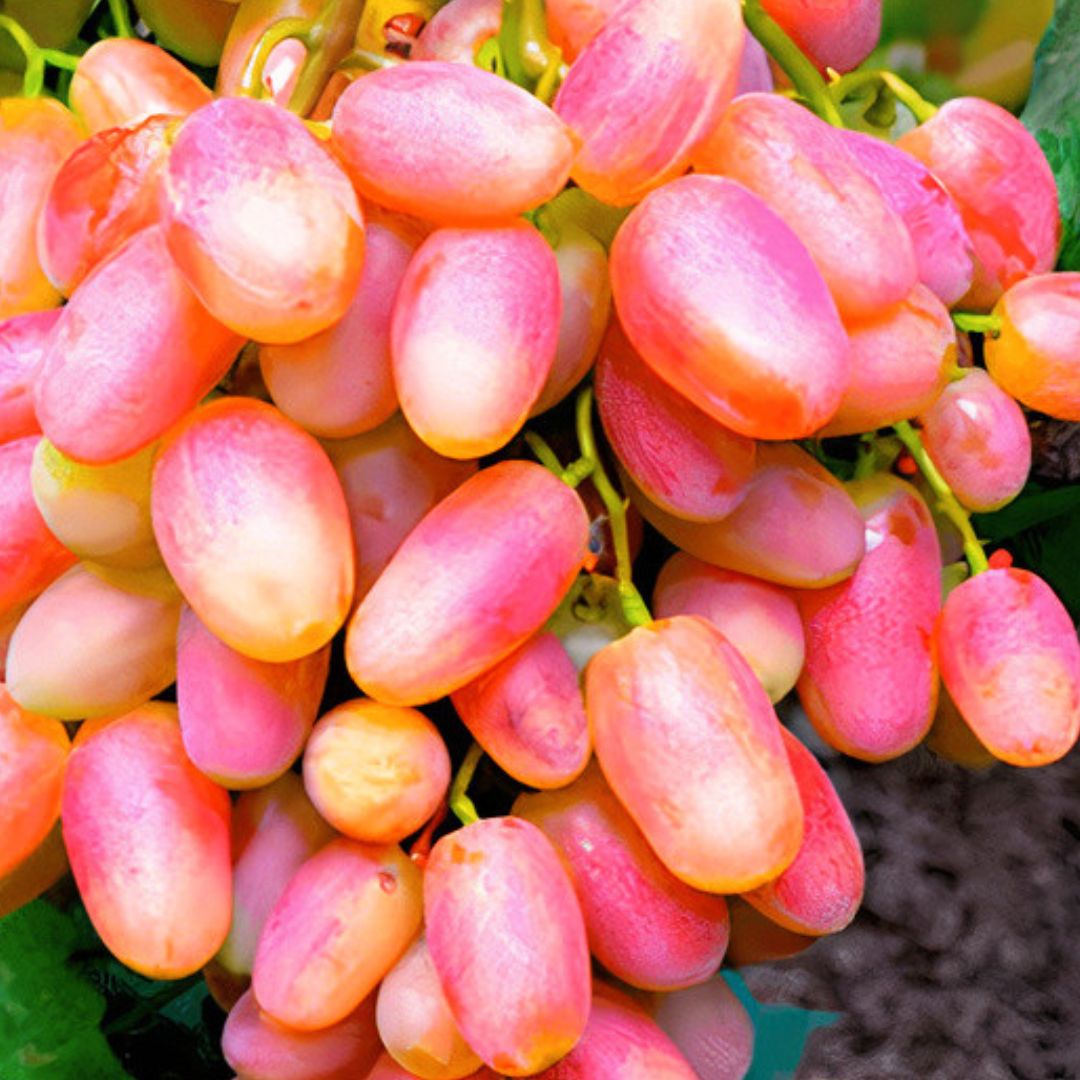
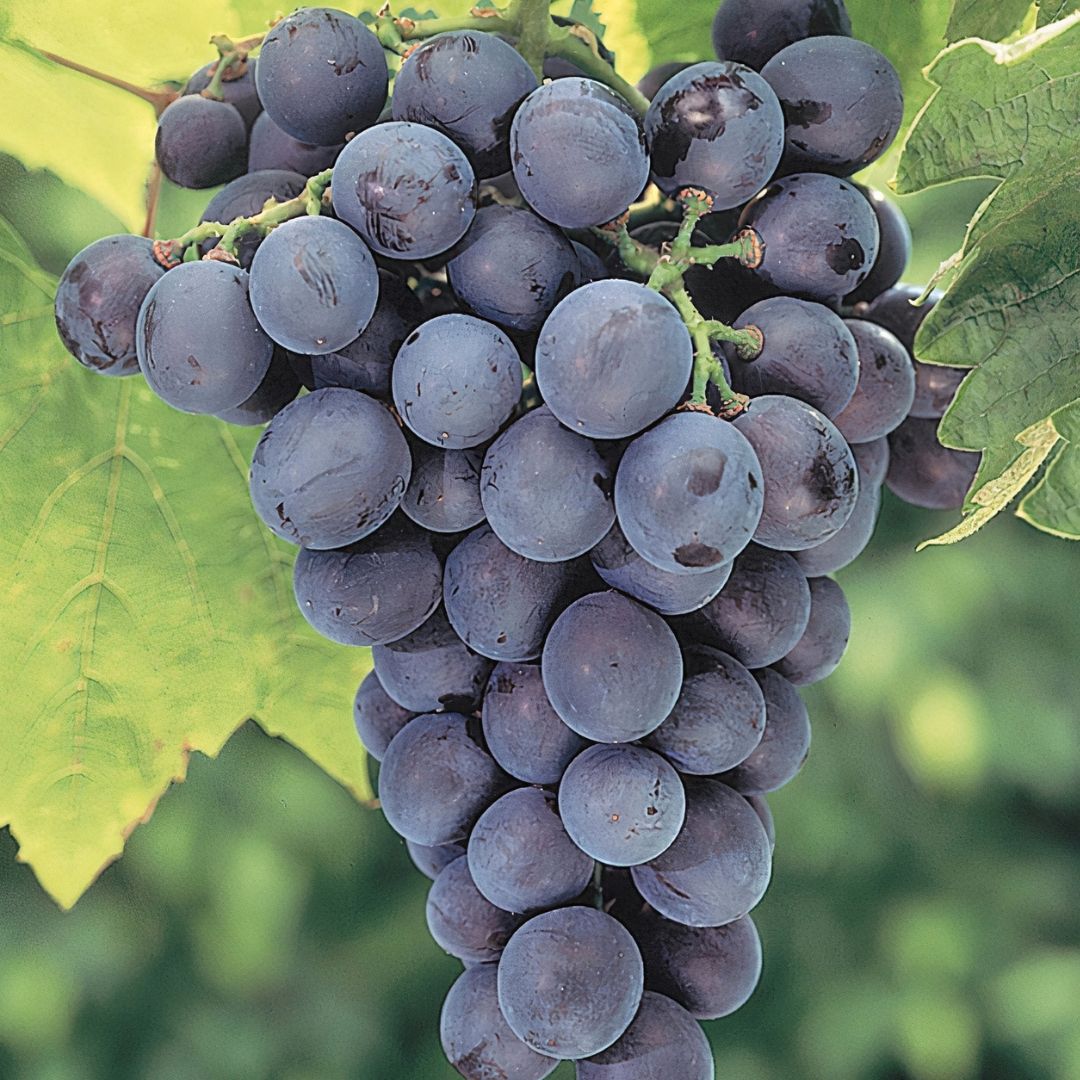
The Everest grapes, also known as the Everest Seedless™ grape, is currently standing as a colossal figure in the vine world. This grape variety, meticulously bred at Cornell University, is often referred to as the “biggest mountain” in the grape realm due to its large clusters and fruits that bear a striking resemblance to their namesake—Everest, the world’s highest peak.
History
The Everest Seedless™ grape is a relatively new member of the grape family. Its genealogy can be traced back to the horticultural research laboratories of Cornell University, where meticulous research, innovative thinking, and tireless effort led to its creation. The breeders’ primary objective was to give birth to a grape variety that could defy the existing norms—combining large sizes with an equally robust flavor.
Fulfilling this ambitious dream, the breeders successfully crossed the line between theoretical possibility and practical reality, leading to the birth of the Everest grape. This grape variety, with its significantly large fruits and clusters, is the embodiment of the breeders’ vision—enormous in size but not at the expense of offering a delightful flavor profile.
Characteristics
Appearance: The Everest grapes is instantly recognized by its significantly large size. This seedless variety boasts large clusters of big, juicy berries — about twice as large as the traditional Concord grapes. The bold size of the Everest grapes places them ahead of many commercially available grape varieties in terms of physical appearance, standing as a testament to the innovative breeding methods employed at Cornell University.
Taste: One might think that with the increased size, the Everest grapes would compromise a degree of its taste for girth. However, this is far from the truth. Despite their large size, these grapes exhibit a flavor profile similar to the famed Concord grape. The rich, sweet, and tangy taste of the Everest grapes, combined with their larger size, make them a fan favorite among grape connoisseurs worldwide.
Growth: The productiveness of the Everest grape vines distinguishes them as high-yield varieties. These sturdy vines, when matured and provided with optimal growing conditions, can produce up to 33 lbs. of fruit per vine. This superior yield quotient, coupled with the grape’s attractive physical attributes, makes Everest an economical choice for growers and vineyard owners.
Resistance: In addition to their size and yield efficiency, Everest grapes display moderate resistance to certain common grapevine diseases, such as downy and powdery mildew. This resistance can be hugely beneficial to growers in different regions, minimizing losses due to these ubiquitous vine ailments and facilitating more generous harvests.
Everest Grapes at The Vineyard Patio Sorsogon
Everest grapes have found a home in The Vineyard Patio located in Sorsogon, Philippines. Here, amidst the balmy tropical weather, the traditionally cool-clime Everest grapes have adapted successfully. The local viticulturists have honed their grape-growing techniques, embracing the challenging-yet-rewarding vine variety.
The larger-than-life clusters of Everest grapes have emerged as an attractive sight for visitors at The Vineyard Patio. During harvest season, tourists flock to Sorsogon, eager to taste these grapes fresh off the vine. The enjoyment of the Everest grapes has become an immersive experience, bringing both pleasure to the taste buds and visual appeal.
Additionally, the yield of Everest grapes contributes positively to the local economy. By attracting tourists, offering employment opportunities, and fueling regional development, the cultivation of Everest grapes in The Vineyard Patio stands as a significant addition to Sorsogon’s socio-economic narrative.
The Bottom Line
Everest Seedless™ grapes indeed mark a high point in the world of grape varieties. Their large size is matched only by their hearty flavor and high yield, resulting in a grape that truly embodies its namesake’s majesty. When grown in locales like Sorsogon’s The Vineyard Patio, these grapes not only enhance the tasting experience but also contribute positively to the sociocultural and economic dimensions of the region. Everest grapes — a fruit variety that has, quite literally, reached a ‘peak’ in the grape world.